Common Tree Problems Gold Coast Property Owners Should Address Early
The Quick Answer: Which Tree Problems Are Urgent on the Gold Coast?
Not every tree problem needs immediate action, and not every one can wait either. When it comes to arranging tree services on the Gold Coast, genuine root-plate movement, storm-damaged limbs hanging over a structure, and advanced trunk decay are act-now situations. Overgrown canopies and general deadwood are usually a book-within-the-season job, best done ahead of storm season.
A stable lean that's been there for years, or a stump sitting in a lawn area you never use, can often just be monitored. Getting this triage right — knowing which category your problem actually falls into — is the difference between an unnecessary emergency callout and an unnecessary expense.
Is My Tree Dangerous, Or Am I Overreacting?
This is the question almost every homeowner is really asking, whether or not they say it out loud. The honest answer: it depends less on how alarming the tree looks and more on a handful of specific signs an arborist is trained to spot.
A tree that leans has often leaned for years and is perfectly stable — the trunk and root system have simply grown to compensate. What actually signals danger is root-plate movement: cracked or lifted soil on the ground opposite the direction of the lean, which indicates the root plate itself is shifting rather than the tree simply growing at an angle.
That's the genuine act-now signal, not the lean by itself. If you're unsure which category your tree falls into, that's exactly what a site visit is for — most of these problems are picked up in a single site visit, which is why our tree services on the Gold Coast start with a free on-site assessment.
Diseased and Declining Trees: What an Arborist Looks For
A declining tree doesn't always look obviously sick. On arrival, an arborist is looking at canopy density and dieback patterns, bark condition, fungal growth at the base or on the trunk (a sign of internal decay), and whether new growth is happening at all compared to the same time last season.
A jacaranda dropping limbs unexpectedly over a driveway is a scenario we see regularly — often the tree looks fine from a distance, but closer inspection reveals internal decay that's compromised specific limbs while the rest of the canopy still looks healthy.
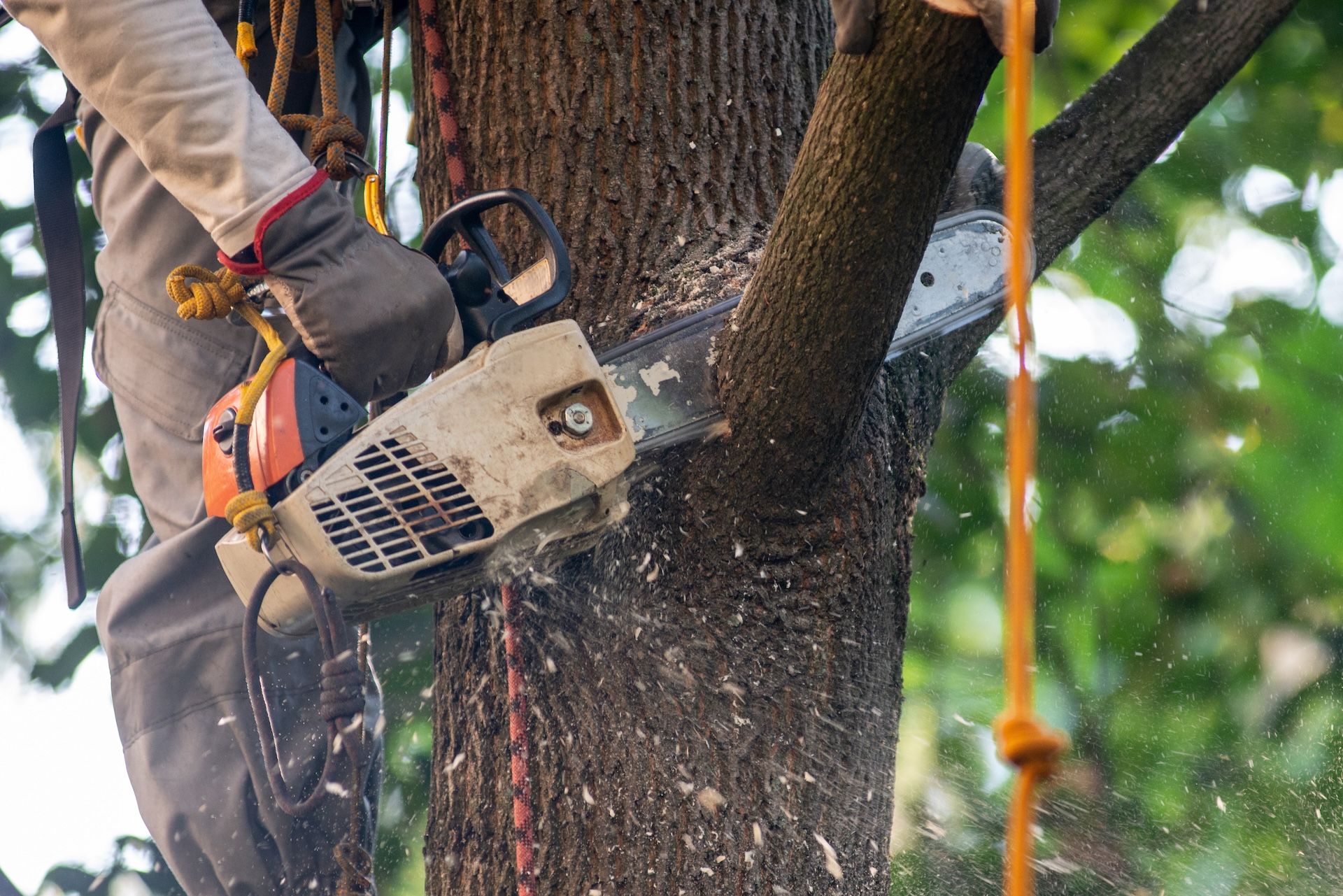
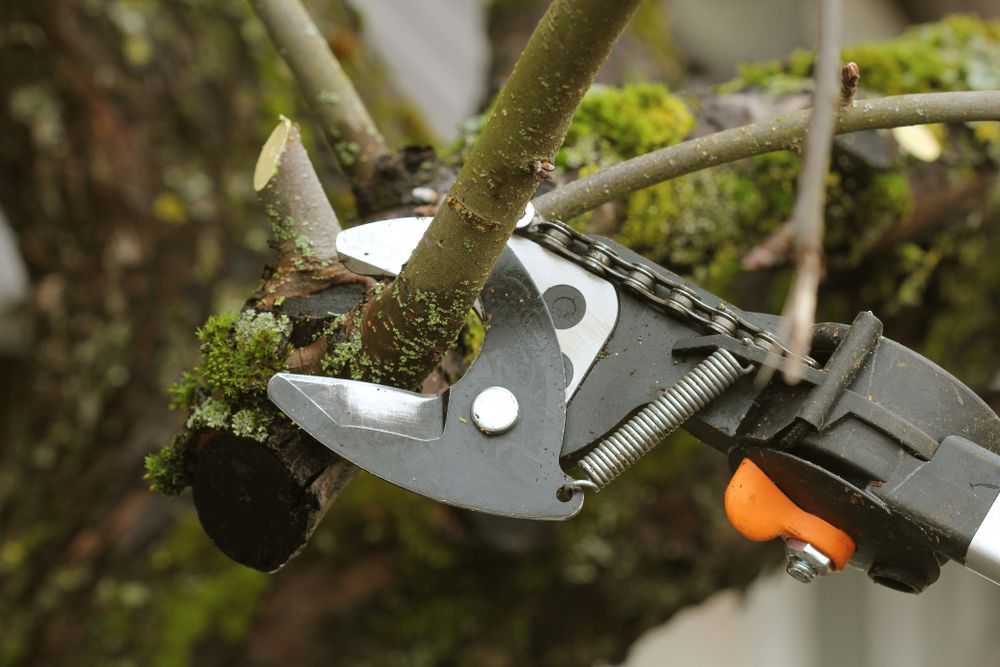
The fix here depends entirely on scope: if the decline is isolated to specific limbs, crown reduction or deadwooding to AS4373 can often resolve the immediate risk while keeping the tree. If decline is advanced throughout the structure, removal becomes the safer and ultimately cheaper option.
Overgrown Canopies and Deadwood: Why Storm Season Sets the Deadline
This is where the Gold Coast's subtropical growth rate genuinely changes the advice compared to a southern state. A canopy pruned in spring here can be back to near pre-prune density within a single wet season, which means timing matters more than most homeowners expect.
Pruning too early relative to storm season and you've lost the benefit before it counts; leave it too late and you're heading into November-to-April storm season with unnecessary sail area and deadwood still in the canopy.
The practical takeaway: if you've noticed overgrown canopy or deadwood building up, treat it as a book-within-the-season job rather than something to leave indefinitely, and aim to have it done before storm season starts, not partway through it.
Can a Leaning or Storm-Damaged Tree Be Saved?
Often, yes — but it depends on what's actually driving the problem. As covered above, a long-standing lean with no root-plate movement is frequently stable and doesn't automatically need the tree removed. Storm-damaged limbs are similar: a split or broken limb can often be professionally removed via crown reduction, leaving the rest of the tree intact and safe.
Where the trunk itself is compromised — a major split down the main stem, extensive decay at the base, or root-plate movement confirming instability — pruning won't make the tree safe, and removal becomes the only responsible option. Where the trunk is compromised and pruning will not make it safe, tree removal is the only responsible option, and a good arborist will tell you honestly when that's the case rather than defaulting to the more expensive option out of caution.
Leftover Stumps: How Long Can You Really Leave Them?
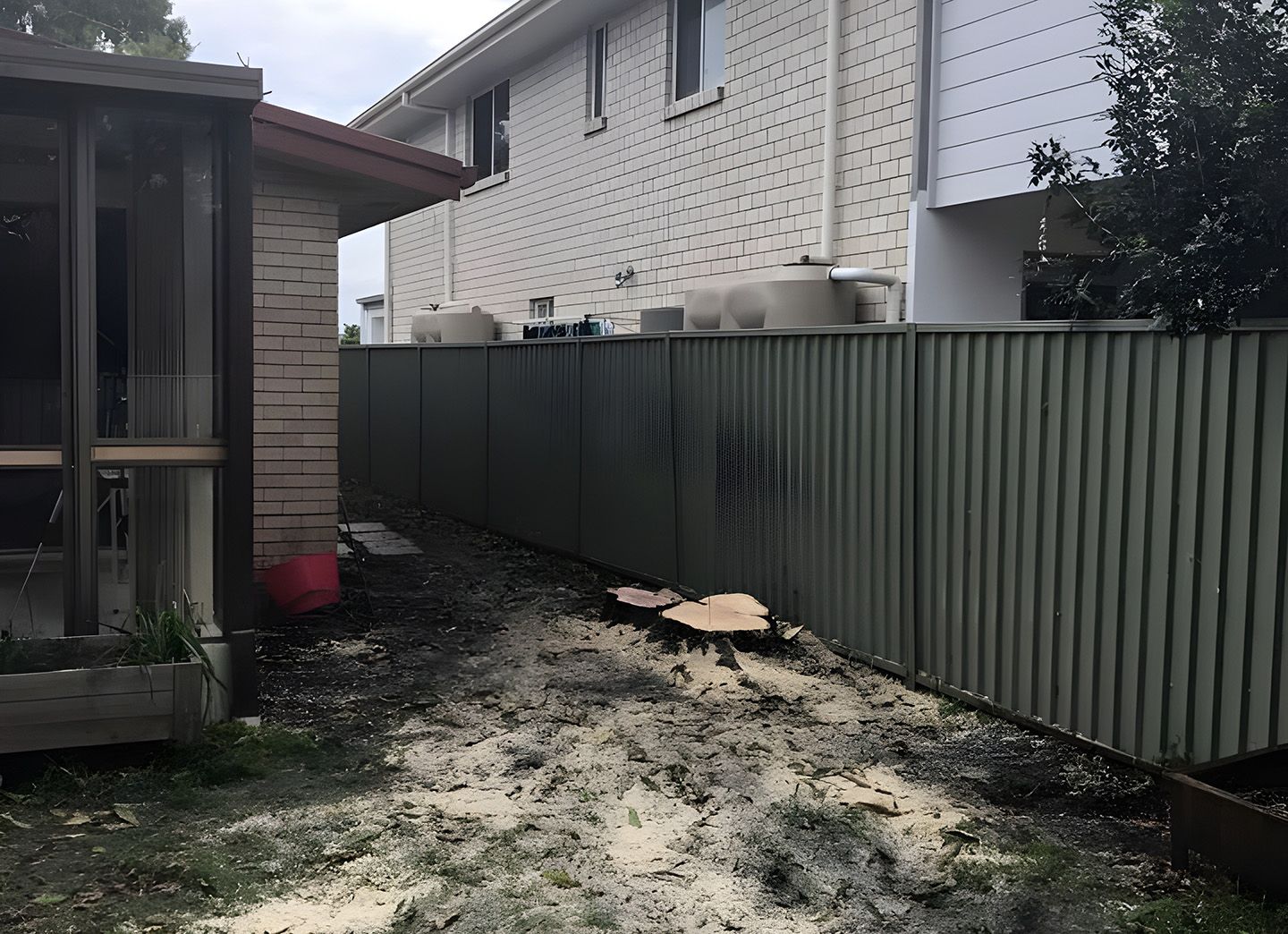
A stump is rarely an emergency. If it's sitting in a corner of the yard you never use, it can genuinely be left indefinitely with minimal consequence beyond appearance. Where it becomes a bigger deal is when it's blocking a landscaping plan, sitting where you're mowing around it constantly, or beginning to attract termites or fungal growth close to a structure.
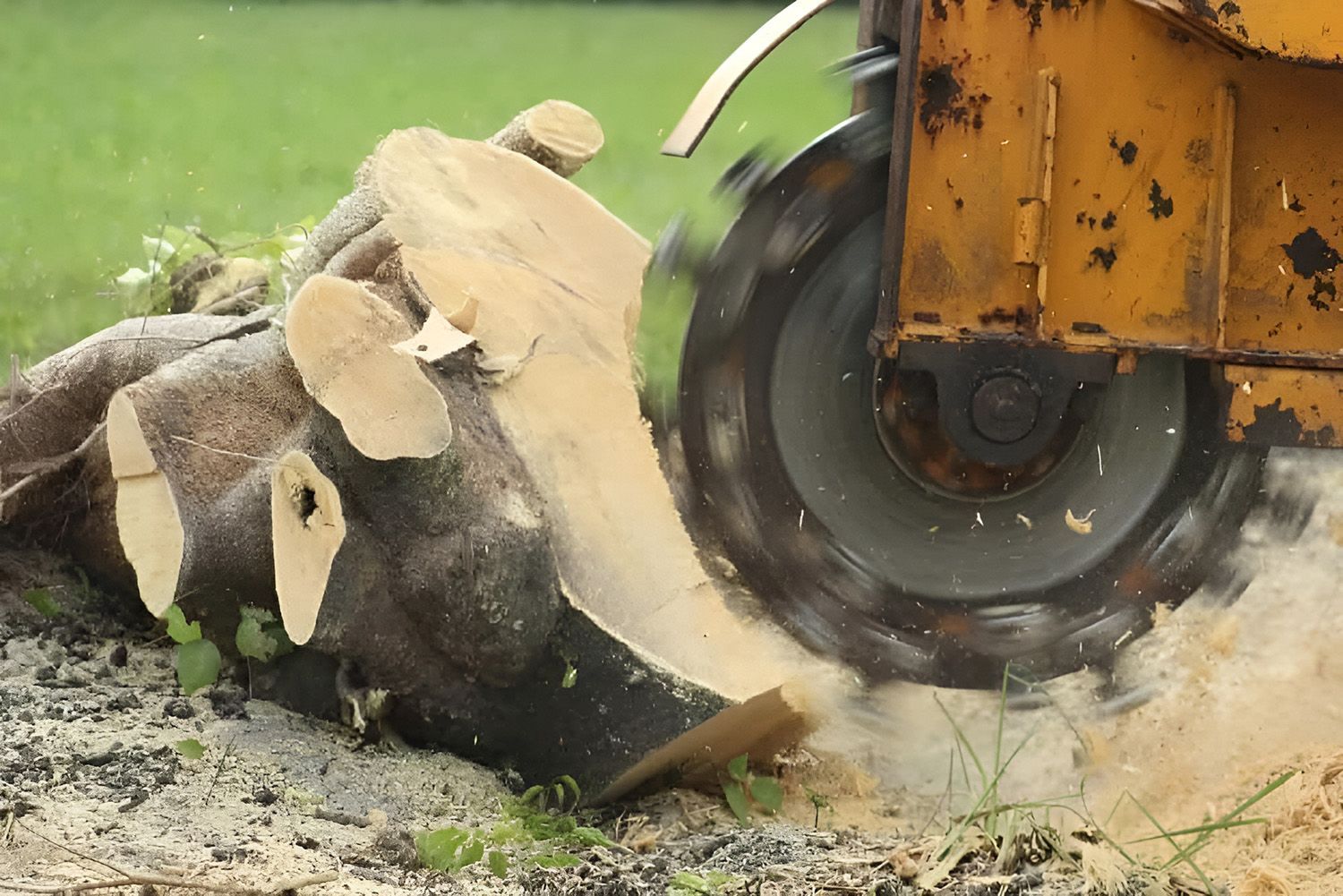
A stump is rarely an emergency, but it does not stay harmless forever — we break down what happens if you leave a tree stump in your yard for too long in more detail. If the tree is due for a new deck or garden bed and the old stump is in the way, that's the point it moves from "monitor" to "book it in."
Do You Need Council Approval Before Tree Work on the Gold Coast?
In many cases, yes. Gold Coast City Council protects certain trees and vegetation under its Vegetation Management Code, and removing or significantly pruning a protected tree can require an application before any work begins. Rules vary depending on the tree species, its size, its proximity to structures and fence lines, and the specific property, so there's no single blanket answer that applies to every tree.
Genuinely dangerous, imminent-risk trees are generally treated differently under council rules, since urgent hazard mitigation isn't held to the same approval timeline as routine or discretionary works — but this still needs to be confirmed on a case-by-case basis, not assumed. Our arborists can assess your tree, advise honestly on whether council approval is likely needed, and help with the application if required, so you're not left guessing or risking a fine for unauthorised removal.
What Tree Work Typically Costs and How Soon You Can Book
| Problem | Category | Typical Gold Coast Cost Band | Likely Fix |
|---|---|---|---|
| Root-plate movement, imminent hazard | Act now | Higher — reflects urgency and complexity | Emergency removal |
| Storm-damaged/split limbs over a structure | Act now | Moderate–high depending on access | Crown reduction or partial removal |
| Diseased/declining tree (advanced) | Act now to this season | Varies with scope | Removal or major crown reduction |
| Overgrown canopy, general deadwood | This season | Moderate | Crown reduction/thinning, deadwooding to AS4373 |
| Long-standing stable lean | Monitor | N/A until reassessed | Periodic monitoring |
| Stump in an unused area | Monitor | Low when eventually done | Stump grinding |
Exact cost depends on tree size, species, access and whether council approval or a crane is required — which is exactly why a free, no-obligation on-site quote is the most reliable way to budget properly, rather than guessing from a general price list.
Get an Honest Assessment Before You Decide
Whether it's a leaning trunk, deadwood over the roofline, or a stump you've been mowing around for years, the right first step is a proper site assessment rather than guessing at urgency yourself. If the first sign you noticed was lifted paving rather than the tree itself, see where tree roots cause problems around homes and driveways for more on that specific issue.
All Tree & Stump Works has been a family-run, fully insured arborist team providing tree services across the Gold Coast since 2015, covering everything from Tallai and Mudgeeraba through to Southport, Coomera and Burleigh Heads. Brad, our owner, is on the tools for every job, so you're getting an honest, experienced call on whether your tree genuinely needs to come out.
Call for your free, no-obligation quote and we'll tell you straight whether your tree can be saved.