How Proper Land Clearing Prevents Future Drainage And Erosion Problems
Looking for tree services on the Gold Coast? Issues with drainage or soil movement often creep in quietly, becoming noticeable only once they start affecting how a property handles rain and runoff. Water pooling where it should not, soil washing away during heavy rain or uneven ground forming over time are problems many landowners notice only after the damage has begun. In many cases, these issues can be traced back to how a site was originally cleared. Land clearing is not simply about removing trees or vegetation. It directly influences how water moves across a block and how well the soil holds together over time. When clearing is planned carefully and carried out with the land’s natural features in mind, it can significantly reduce the risk of ongoing drainage problems, which is particularly important when considering land clearing on the Gold Coast.
Why Poor Land Clearing Leads to Drainage Issues
Drainage problems often begin when land is cleared without understanding how water naturally behaves across the site. Removing vegetation without a plan can change surface levels, compact soil and interrupt natural runoff paths.
Common outcomes of poorly planned clearing include:
- Compacted ground that prevents water from soaking in
- Low points where water collects after rainfall
- Altered slopes that direct water toward buildings
Once these changes occur, water no longer follows predictable paths. Instead, it can pool or flow too quickly across exposed ground, increasing the likelihood of erosion and long-term moisture problems.
Understanding How Vegetation Supports Soil Stability
Vegetation plays a crucial role in keeping soil stable. Tree roots, shrubs and ground cover bind soil together and reduce how easily it can be displaced during rainfall events.
Vegetation contributes to stability by:
- Anchoring soil through deep and shallow root systems
- Absorbing rainfall before it hits the ground
- Slowing runoff across the surface
When vegetation is removed suddenly and without planning, the soil beneath becomes exposed and far more vulnerable. Proper clearing considers which vegetation must be removed and where retaining coverage can help protect the ground during and after works.
Managing Natural Water Flow Through Site Preparation
Before clearing begins, it is important to understand how water already moves across the land. Natural drainage lines, slopes and low points all influence how the site responds once vegetation is removed.
Effective preparation often includes:
- Mapping existing runoff paths
- Identifying areas prone to water buildup
- Planning earthworks to support natural flow
When clearing aligns with the land’s existing contours rather than reshaping them unnecessarily, water is more likely to move away from vulnerable areas without causing damage.
Why Stump Removal Matters for Drainage Control
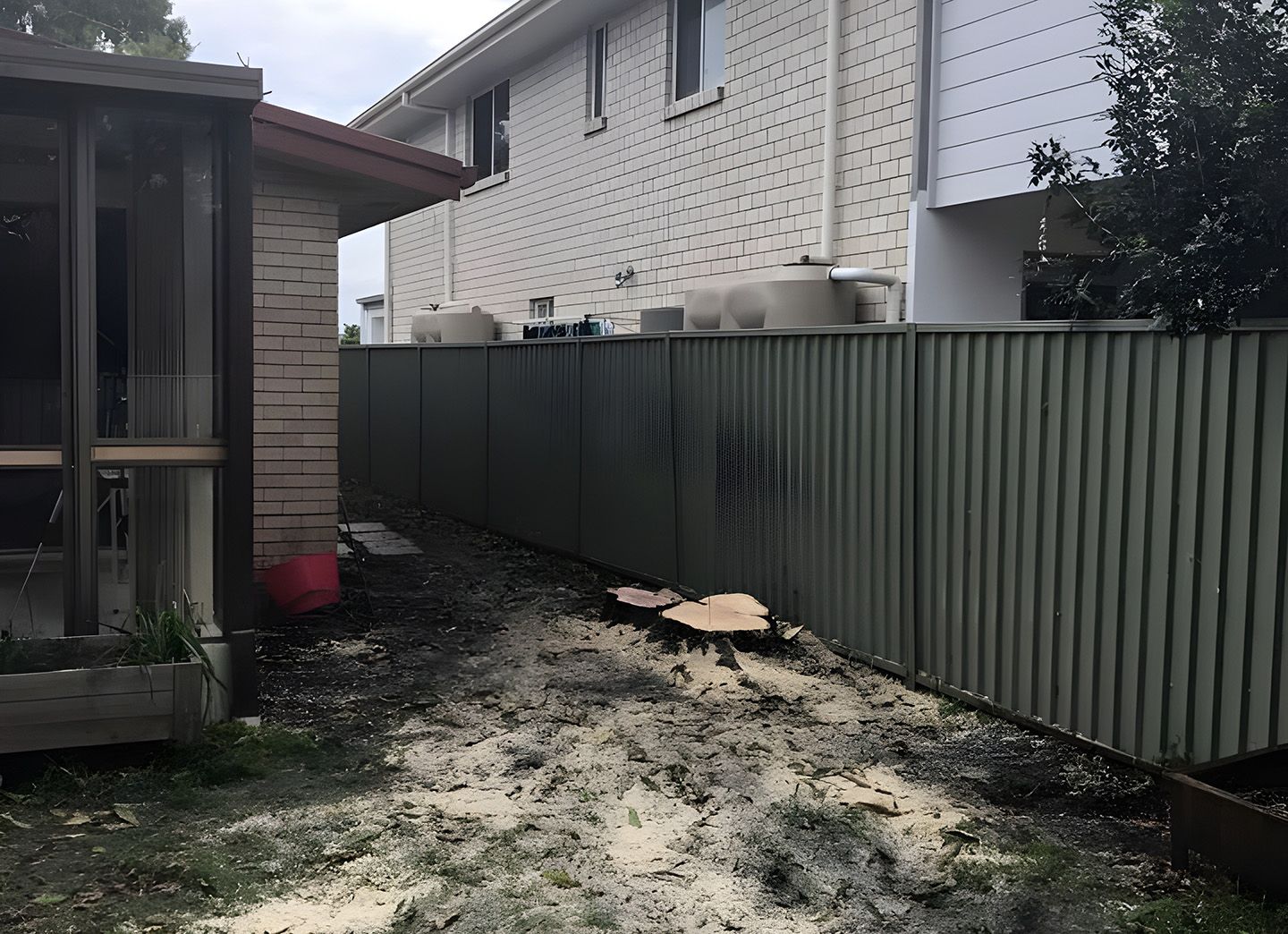
Tree stumps left behind after clearing can create hidden problems over time. As roots decay, they leave voids beneath the surface that can collapse or collect water.
Issues linked to untreated stumps include:
- Uneven ground as roots break down
- Localised water pooling underground
- Reduced soil strength around former root zones
Professional stump removal allows the soil to be backfilled and compacted properly. This creates a more consistent ground surface and reduces the chance of future subsidence or drainage issues.
How Erosion Develops on Cleared Land
Erosion rarely occurs all at once. It usually develops gradually as water repeatedly moves across exposed soil, carrying small amounts away each time it rains.
Early warning signs include:
- Shallow channels forming in the soil
- Sediment collecting at lower points
- Bare patches slowly expanding
Without intervention, these small changes can lead to significant ground loss. Addressing erosion early is far simpler than repairing damage once large areas have been affected.
Using Strategic Clearing to Reduce Runoff Impact
Not every part of a site needs to be cleared at the same time. Strategic clearing focuses on removing only what is necessary while maintaining natural buffers that help control water movement.
This approach may involve:
- Retaining vegetation along drainage lines
- Clearing in stages rather than all at once
- Installing temporary erosion control measures
If you are planning land clearing on the Gold Coast, this measured approach helps limit sudden changes to runoff behaviour and reduces the risk of erosion during and after clearing works.
Managing Machinery Use to Protect Soil Structure
Heavy machinery is often required for clearing work, but uncontrolled use can damage soil structure. Repeated machine traffic can compact soil, strip topsoil and disrupt natural drainage channels.
Potential impacts include:
- Reduced water absorption due to compaction
- Increased surface runoff
- Damage to existing drainage paths
Experienced operators plan access routes carefully and limit unnecessary movement across the site. This helps protect soil integrity while still completing clearing efficiently.
Planning for Long-Term Stability After Clearing
Clearing is only one stage in preparing land for future use. What happens after the clearing is complete plays a major role in preventing drainage and erosion problems from developing later.
Post-clearing planning often includes:
- Regrading the land to support proper runoff
- Introducing ground cover or stabilisation methods
- Monitoring the site during early rainfall events
If you need tree services on the Gold Coast, thinking beyond the initial clearing stage helps protect the land long term and supports future construction or landscaping plans.
How Professional Arborists Add Value to Land Clearing
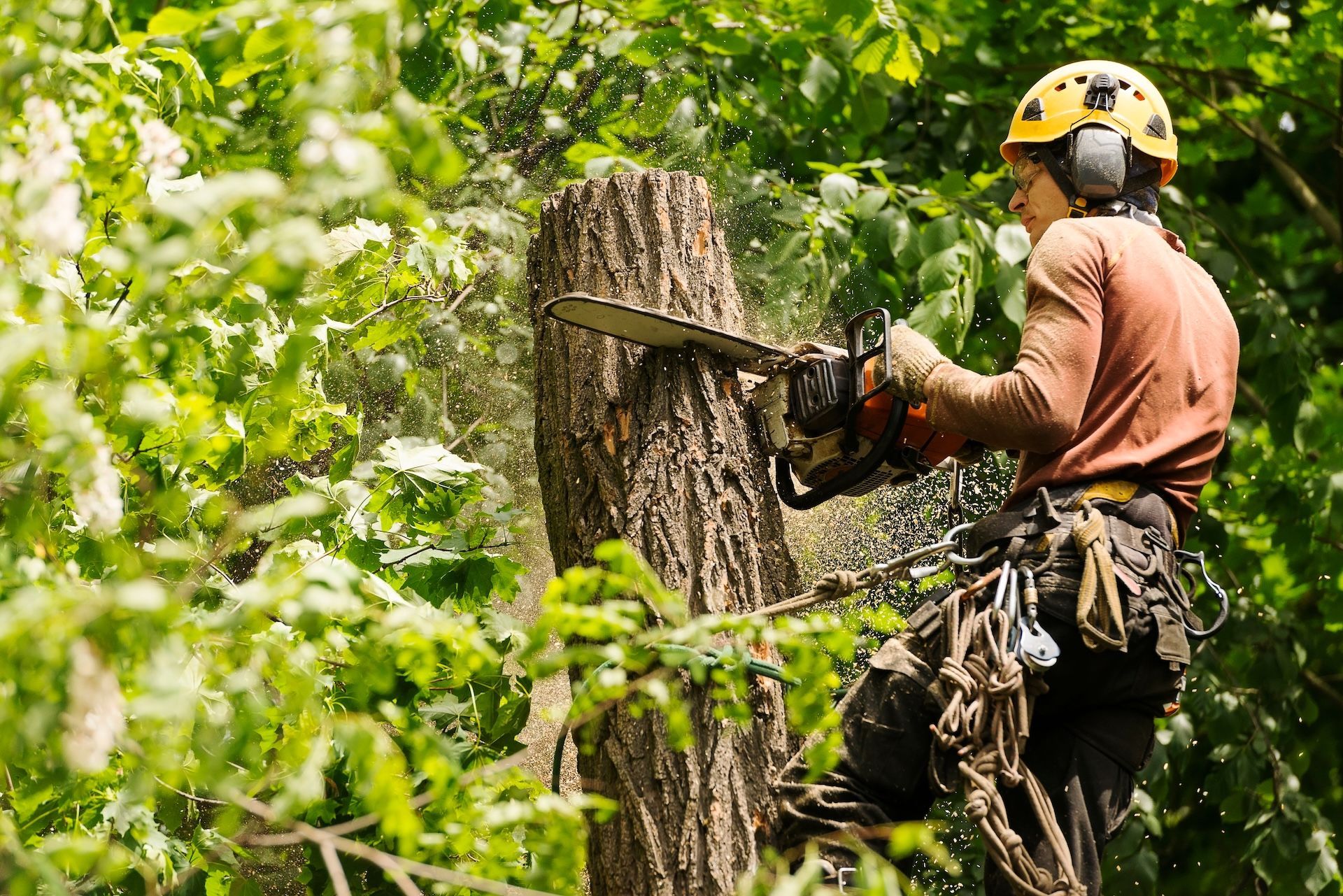
Professional arborists bring more than equipment to a clearing project. They understand how trees, soil and water interact across a site and plan work accordingly.
This expertise supports:
- Selective clearing that protects vulnerable areas
- Safe removal of trees near drainage paths
- Better outcomes for long-term land stability
When engaging tree services on the Gold Coast, it’s important to plan all clearing work with soil stability and water flow in mind to avoid problems later on.
At All Tree and Stump Works, we help property owners approach land preparation with long-term stability in mind. Local rainfall patterns, soil conditions and terrain can all influence how drainage and erosion issues develop if clearing is not handled carefully. If you are planning work and want to reduce the risk of future problems, visit https://www.alltreeandstumpworks.com.au/ to speak with our team. We take a practical approach to land clearing on the Gold Coast.