Why Regular Tree Maintenance Is Important for Properties on the Gold Coast
A sudden storm rolls in, winds pick up, and what once felt like a calm, leafy backyard starts to look unpredictable. Branches sway harder than expected, debris scatters, and the quiet question arises: when was the last time those trees were properly checked? For many homeowners, tree services become a priority only after visible damage occurs, yet the real value lies in consistent, preventative care that keeps landscapes safe, healthy and visually balanced year-round.
Coastal environments create unique pressures on trees, from salt-laden air to rapid growth cycles driven by warmth and moisture. Without regular attention, even established trees can become liabilities rather than assets. Understanding how routine maintenance fits into long-term property care reveals why working with a qualified arborist is not just practical, but essential.
Coastal Conditions Shape Tree Growth Patterns
Coastal climates introduce factors that directly influence how trees develop and behave: exposure to wind, salt and fluctuating moisture levels can alter growth structures and resilience over time. Trees in these environments often grow faster, but not always stronger, making them more susceptible to structural weaknesses. This means regular monitoring is not optional, but part of responsible property upkeep. Professional tree maintenance ensures growth remains controlled and structurally sound.
Key environmental impacts to consider include:
- Salt exposure weakening foliage & branches
- Strong winds encouraging uneven growth patterns
- Rapid regrowth after seasonal rain
- Soil movement affecting root stability
Understanding these conditions allows property owners to take a proactive approach rather than reacting after damage occurs.
Preventative Maintenance Reduces Storm Risks
Storms can turn minor tree issues into serious hazards: weak branches, dense canopies and unstable roots increase the likelihood of breakage during high winds or heavy rainfall. Preventative maintenance addresses these risks before they escalate. Routine trimming and inspections help reduce wind resistance and remove compromised limbs, making trees safer during extreme weather events.
Important preventative strategies include:
- Crown thinning to reduce wind load
- Removing dead or weakened branches
- Identifying structural defects early
- Balancing canopy weight distribution
This type of maintenance not only protects the tree itself but also reduces the risk of damage to surrounding structures and outdoor spaces.
Tree Inspections Reveal Hidden Structural Issues
Not all tree problems are visible from the ground: internal decay, pest infestations and root instability can go unnoticed until failure occurs. Professional inspections conducted by an arborist provide a deeper understanding of tree health. These assessments go beyond surface-level observations and focus on long-term stability and safety.
During a professional inspection, attention is given to:
- Signs of internal decay or disease
- Root system condition & anchorage
- Branch attachment strength
- Early indicators of pest activity
Regular inspections allow issues to be addressed early, often preventing costly removal or emergency intervention later.
Strategic Pruning Supports Healthy Growth
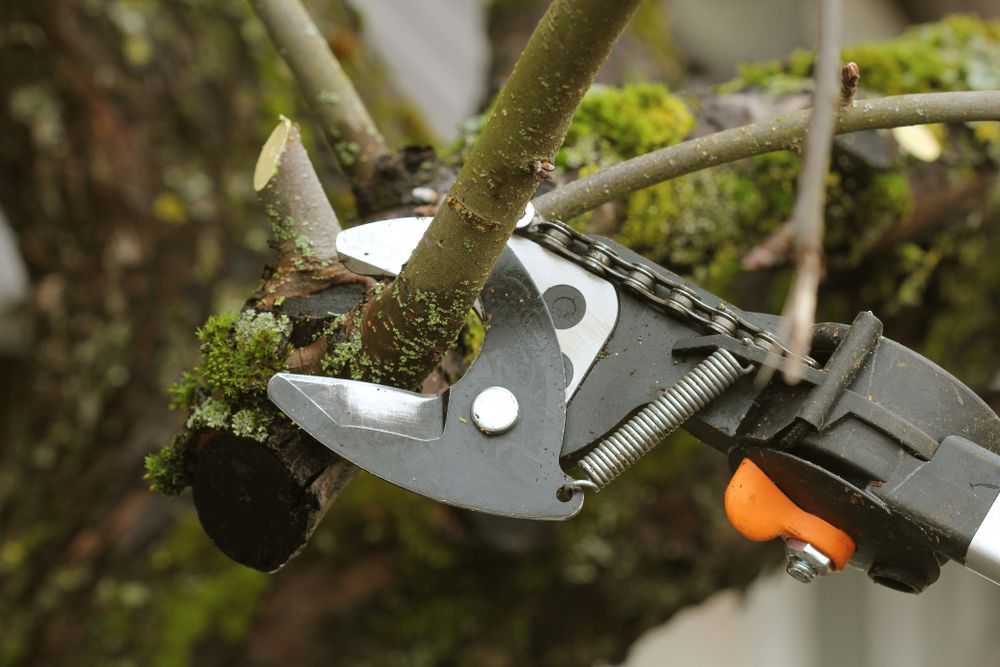
Pruning is more than cutting branches for appearance: it is a targeted process that supports the natural structure and health of a tree. When done correctly, pruning encourages stronger growth and reduces future risks. A well-pruned tree is better equipped to withstand environmental stress while maintaining an attractive form.
Effective pruning focuses on:
- Removing crossing or competing branches
- Encouraging balanced canopy development
- Eliminating weak growth points
- Improving airflow & sunlight penetration
This approach ensures trees grow in a controlled, sustainable way that aligns with both safety and aesthetics.
Overgrown Trees Can Impact Property Value
An overgrown or poorly maintained tree can affect more than just appearance: it can influence how a property is perceived and even impact its value. Dense canopies, visible damage or unmanaged growth can signal neglect. Well-maintained trees, on the other hand, enhance visual appeal and create a sense of care and order.
Factors that influence property presentation include:
- Tree shape & overall structure
- Clearance around buildings & pathways
- Visibility of healthy foliage
- Absence of dead or hazardous limbs
Maintaining trees as part of overall landscape management contributes to a more polished and inviting property environment.
Stump Removal Prevents Long-Term Issues
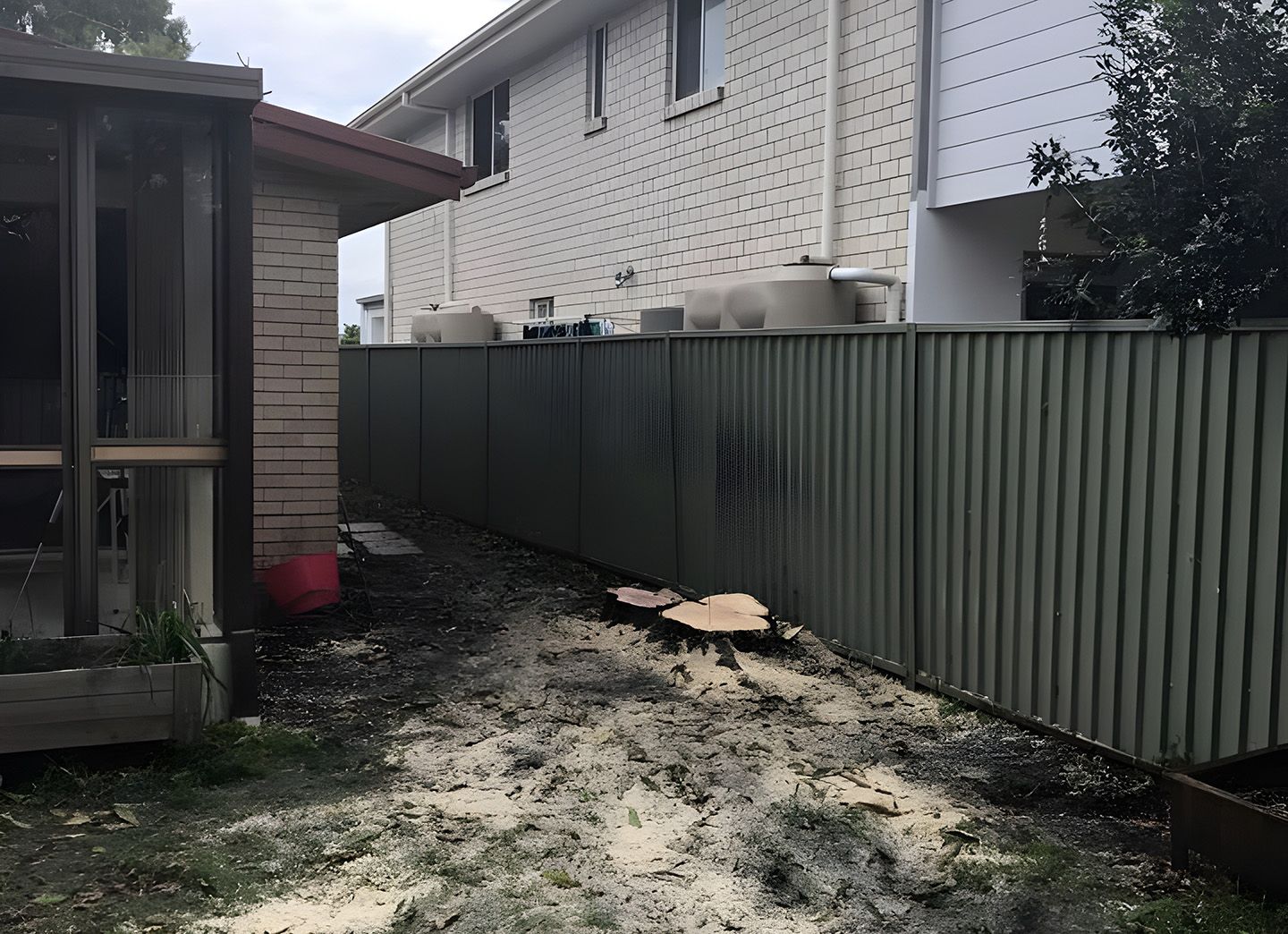
Leaving a tree stump behind after removal may seem harmless, but it can lead to ongoing complications: stumps can attract pests, encourage regrowth and become obstacles within outdoor spaces. Professional stump removal eliminates these risks and restores usability to the area.
Reasons to prioritise stump removal include:
- Preventing termite or pest infestations
- Avoiding unwanted regrowth
- Improving safety by removing trip hazards
- Creating space for landscaping or construction
Addressing stumps promptly ensures the area remains functional and free from hidden problems.
Professional Arborists Provide Informed Solutions
Working with a qualified arborist ensures decisions are based on expertise rather than guesswork: tree care involves understanding species-specific needs, environmental factors and long-term growth behaviour. This level of knowledge allows for tailored solutions that suit both the tree and the property.
Services typically offered by arborists include:
- Detailed tree health assessments
- Risk management & hazard reduction
- Precision pruning & shaping
- Advice on tree preservation or removal
Engaging professional support ensures that maintenance efforts are effective and aligned with best practices.
Regular Maintenance Saves Time & Costs Over Time
Delaying tree care often leads to larger, more expensive problems: what could have been resolved with routine maintenance may escalate into emergency removal or property repairs. Consistent care spreads out costs and reduces the likelihood of unexpected issues.
Long-term benefits of regular maintenance include:
- Lower risk of storm-related damage
- Reduced need for urgent interventions
- Improved tree lifespan & stability
- Better overall landscape management
Investing in ongoing tree services creates a more predictable and manageable approach to property care.
Take The Next Step Towards Safer Outdoor Spaces
We at All Tree and Stump Works understand the unique challenges property owners face when managing trees in coastal conditions on the Gold Coast. Our team provides reliable solutions designed to keep your property safe, well-maintained and visually appealing. If you are looking to reduce risk, improve tree health or simply stay ahead of seasonal growth, reach out today to book an inspection or discuss your needs.